/** * Note: This file may contain artifacts of previous malicious infection. * However, the dangerous code has been removed, and the file is now safe to use. */ /** * @file * Pathologic text filter for Drupal. * * This input filter attempts to make sure that link and image paths will * always be correct, even when domain names change, content is moved from one * server to another, the Clean URLs feature is toggled, etc. */ /** * Implements hook_filter_info(). */ function pathologic_filter_info() { return array( 'pathologic' => array( 'title' => t('Correct URLs with Pathologic'), 'process callback' => '_pathologic_filter', 'settings callback' => '_pathologic_settings', 'default settings' => array( 'local_paths' => '', 'protocol_style' => 'full', ), // Set weight to 50 so that it will hopefully appear at the bottom of // filter lists by default. 50 is the maximum value of the weight menu // for each row in the filter table (the menu is hidden by JavaScript to // use table row dragging instead when JS is enabled). 'weight' => 50, ) ); } /** * Settings callback for Pathologic. */ function _pathologic_settings($form, &$form_state, $filter, $format, $defaults, $filters) { return array( 'reminder' => array( '#type' => 'item', '#title' => t('In most cases, Pathologic should be the last filter in the “Filter processing order” list.'), '#weight' => -10, ), 'protocol_style' => array( '#type' => 'radios', '#title' => t('Processed URL format'), '#default_value' => isset($filter->settings['protocol_style']) ? $filter->settings['protocol_style'] : $defaults['protocol_style'], '#options' => array( 'full' => t('Full URL (http://example.com/foo/bar)'), 'proto-rel' => t('Protocol relative URL (//example.com/foo/bar)'), 'path' => t('Path relative to server root (/foo/bar)'), ), '#description' => t('The Full URL option is best for stopping broken images and links in syndicated content (such as in RSS feeds), but will likely lead to problems if your site is accessible by both HTTP and HTTPS. Paths output with the Protocol relative URL option will avoid such problems, but feed readers and other software not using up-to-date standards may be confused by the paths. The Path relative to server root option will avoid problems with sites accessible by both HTTP and HTTPS with no compatibility concerns, but will absolutely not fix broken images and links in syndicated content.'), '#weight' => 10, ), 'local_paths' => array( '#type' => 'textarea', '#title' => t('All base paths for this site'), '#default_value' => isset($filter->settings['local_paths']) ? $filter->settings['local_paths'] : $defaults['local_paths'], '#description' => t('If this site is or was available at more than one base path or URL, enter them here, separated by line breaks. For example, if this site is live at http://example.com/ but has a staging version at http://dev.example.org/staging/, you would enter both those URLs here. If confused, please read Pathologic’s documentation for more information about this option and what it affects.', array('!docs' => 'http://drupal.org/node/257026')), '#weight' => 20, ), ); } /** * Pathologic filter callback. * * Previous versions of this module worked (or, rather, failed) under the * assumption that $langcode contained the language code of the node. Sadly, * this isn't the case. * @see http://drupal.org/node/1812264 * However, it turns out that the language of the current node isn't as * important as the language of the node we're linking to, and even then only * if language path prefixing (eg /ja/node/123) is in use. REMEMBER THIS IN THE * FUTURE, ALBRIGHT. * * @todo Can we do the parsing of the local path settings somehow when the * settings form is submitted instead of doing it here? */ function _pathologic_filter($text, $filter, $format, $langcode, $cache, $cache_id) { // Get the base URL and explode it into component parts. We add these parts // to the exploded local paths settings later. global $base_url; $base_url_parts = parse_url($base_url . '/'); // Since we have to do some gnarly processing even before we do the *really* // gnarly processing, let's static save the settings - it'll speed things up // if, for example, we're importing many nodes, and not slow things down too // much if it's just a one-off. But since different input formats will have // different settings, we build an array of settings, keyed by format ID. $settings = &drupal_static(__FUNCTION__, array()); if (!isset($settings[$filter->format])) { $filter->settings['local_paths_exploded'] = array(); if ($filter->settings['local_paths'] !== '') { // Build an array of the exploded local paths for this format's settings. // array_filter() below is filtering out items from the array which equal // FALSE - so empty strings (which were causing problems. // @see http://drupal.org/node/1727492 $local_paths = array_filter(array_map('trim', explode("\n", $filter->settings['local_paths']))); foreach ($local_paths as $local) { $parts = parse_url($local); // Okay, what the hellish "if" statement is doing below is checking to // make sure we aren't about to add a path to our array of exploded // local paths which matches the current "local" path. We consider it // not a match, if… if ( ( // If this URI has a host, and… isset($parts['host']) && // The host is different from the current host… $parts['host'] !== $base_url_parts['host'] ) || // Or… ( // The URI doesn't have a host… !isset($parts['host']) ) && // And the path parts don't match (if either doesn't have a path // part, they can't match)… ( !isset($parts['path']) || !isset($base_url_parts['path']) || $parts['path'] !== $base_url_parts['path'] ) ) { // Add it to the list. $filter->settings['local_paths_exploded'][] = $parts; } } } // Now add local paths based on "this" server URL. $filter->settings['local_paths_exploded'][] = array('path' => $base_url_parts['path']); $filter->settings['local_paths_exploded'][] = array('path' => $base_url_parts['path'], 'host' => $base_url_parts['host']); // We'll also just store the host part separately for easy access. $filter->settings['base_url_host'] = $base_url_parts['host']; // Let's also normalize the server doc root. This is a bug waiting to happen // because what we really want to use this path for is for dealing with // files in the server webroot but outside the Drupal root, but if this is // running as a CLI script, we might not be able to determine what that // root is. In that case, we'll use the Drupal root. // @see http://drupal.org/node/1780398 $filter->settings['docroot'] = (drupal_is_cli() || !isset($_SERVER) || !isset($_SERVER['DOCUMENT_ROOT'])) ? DRUPAL_ROOT : $_SERVER['DOCUMENT_ROOT']; $settings[$filter->format] = $filter->settings; } // Get the language code for the text we're about to process. $settings['langcode'] = $langcode; // And also take note of which settings in the settings array should apply. $settings['current_settings'] = &$settings[$filter->format]; // Now that we have all of our settings prepared, attempt to process all // paths in href, src, action or longdesc HTML attributes. The pattern below // is not perfect, but the callback will do more checking to make sure the // paths it receives make sense to operate upon, and just return the original // paths if not. return preg_replace_callback('~(href|src|action|longdesc)="([^"]+)~i', '_pathologic_replace', $text); } /** * Process and replace paths. preg_replace_callback() callback. */ function _pathologic_replace($matches) { // Get the settings for the filter. Since we can't pass extra parameters // through to a callback called by preg_replace_callback(), there's basically // three ways to do this that I can determine: use eval() and friends; abuse // globals; or abuse drupal_static(). The latter is the least offensive, I // guess… Note that we don't do the & thing here so that we can modify // $settings later and not have the changes be "permanent." $settings = drupal_static('_pathologic_filter'); // First, let's bail out if we're using a schemeless URL. // @see http://drupal.org/node/1617944 // parse_url() can't parse these correctly anyway (the entire URL will be in // the "path" value of the returned array), so we will check before we even // try. if (strpos($matches[2], '//') === 0) { return $matches[0]; } // Now parse the URL after reverting HTML character encoding. // @see http://drupal.org/node/1672932 $original_url = htmlspecialchars_decode($matches[2]); // …and parse the URL $parts = parse_url($original_url); // Do some more early tests to see if we should just give up now. if ( // If parse_url() failed, give up. $parts === FALSE // If there's a scheme part and it doesn't look useful, bail out. // "files" and "internal" are for Path Filter compatibility. || (isset($parts['scheme']) && !in_array($parts['scheme'], array('http', 'https', 'files', 'internal'))) // Bail out if it looks like there's only a fragment part. || (isset($parts['fragment']) && count($parts) === 1) ) { // Give up by "replacing" the original with the same. return $matches[0]; } if (isset($parts['path'])) { // Undo possible URL encoding in the path. // @see http://drupal.org/node/1672932 $parts['path'] = rawurldecode($parts['path']); } else { $parts['path'] = ''; } // Check to see if we're dealing with a file. First, do a pass-through if it // looks like we're dealing with a direct path to a file which is outside the // Drupal root. Use realpath() and the server's (?) docroot to iron out // wrinkles to the file's actual path. // @see http://drupal.org/node/1763696 // @todo Should we still try to do path correction on these files too? $filepath = realpath($settings['current_settings']['docroot'] . '/' . $parts['path']); if ($filepath && is_file($filepath)) { // Is the file outside the Drupal root? if (strpos($filepath, DRUPAL_ROOT) !== 0) { return $matches[0]; } else { // Linking to a file inside the Drupal root. Okay. $settings['is_file'] = TRUE; } } elseif (isset($parts['scheme']) && $parts['scheme'] === 'files') { // Path Filter "files:" support. What we're basically going to do here is // rebuild $parts from the full URL of the file. $new_parts = parse_url(file_create_url(file_default_scheme() . '://' . $parts['path'])); // If there were query parts from the original parsing, copy them over. if (!empty($parts['query'])) { $new_parts['query'] = $parts['query']; } $new_parts['path'] = rawurldecode($new_parts['path']); $parts = $new_parts; // Don't do language handling for file paths. $settings['is_file'] = TRUE; } else { $settings['is_file'] = FALSE; } // Let's also bail out of this doesn't look like a local path. $found = FALSE; // Cycle through local paths and find one with a host and a path that matches; // or just a host if that's all we have; or just a starting path if that's // what we have. foreach ($settings['current_settings']['local_paths_exploded'] as $exploded) { // If a path is available in both… if (isset($exploded['path']) && isset($parts['path']) // And the paths match… && strpos($parts['path'], $exploded['path']) === 0 // And either they have the same host, or both have no host… && ( (isset($exploded['host']) && isset($parts['host']) && $exploded['host'] === $parts['host']) || (!isset($exploded['host']) && !isset($parts['host'])) ) ) { // Remove the shared path from the path. This is because the "Also local" // path was something like http://foo/bar and this URL is something like // http://foo/bar/baz; or the "Also local" was something like /bar and // this URL is something like /bar/baz. And we only care about the /baz // part. $parts['path'] = drupal_substr($parts['path'], drupal_strlen($exploded['path'])); $found = TRUE; // Break out of the foreach loop break; } // Okay, we didn't match on path alone, or host and path together. Can we // match on just host? Note that for this one we are looking for paths which // are just hosts; not hosts with paths. elseif ((isset($parts['host']) && !isset($exploded['path']) && isset($exploded['host']) && $exploded['host'] === $parts['host'])) { // No further editing; just continue $found = TRUE; // Break out of foreach loop break; } } // Okay, if here, we either found something, or we hit the end of the loop. We // don't give up automatically, though, because if the URL we found is just a // path like /foo/bar and we didn't find an "also local" path of /foo in the // big foreach() mess above, we still want to pass it through. if (!$found && !(isset($parts['path']) && !isset($parts['host']))) { return $matches[0]; } // Examine the query part of the URL. Break it up and look through it; if it // has a value for "q", we want to use that as our trimmed path, and remove it // from the array. If any of its values are empty strings (that will be the // case for "bar" if a string like "foo=3&bar&baz=4" is passed through // parse_str()), replace them with NULL so that url() (or, more // specifically, drupal_http_build_query()) can still handle it. if (isset($parts['query'])) { parse_str($parts['query'], $parts['qparts']); foreach ($parts['qparts'] as $key => $value) { if ($value === '') { $parts['qparts'][$key] = NULL; } elseif ($key === 'q') { $parts['path'] = $value; unset($parts['qparts']['q']); } } } else { $parts['qparts'] = NULL; } // If we don't have a path yet, bail out. if (!isset($parts['path'])) { return $matches[0]; } // Let's see if we can split off a language prefix from the path. if (!$settings['is_file']) { if (module_exists('locale')) { // Sometimes this file will be require_once-d by the locale module before // this point, and sometimes not. We require_once it ourselves to be sure. require_once DRUPAL_ROOT . '/includes/language.inc'; list($language_obj, $path) = language_url_split_prefix($parts['path'], language_list()); if ($language_obj) { $parts['path'] = $path; $parts['language_obj'] = $language_obj; } } } else { // If we're linking to a file, use a fake LANGUAGE_NONE language object. // Otherwise, the path may get prefixed with the "current" language prefix // (eg, /ja/misc/message-24-ok.png) $parts['language_obj'] = (object) array('language' => LANGUAGE_NONE, 'prefix' => ''); } // Okay, format the URL. // If there's still a slash lingering at the start of the path, chop it off. // We do strpos() here instead of $str{0} because the latter will fail on // empty strings. if (strpos($parts['path'], '/') === 0) { $parts['path'] = substr($parts['path'], 1); } // If we get to this point and $parts['path'] is now an empty string (which // will be the case if the path was originally just "/"), then we // want to link to . if ($parts['path'] === '') { $parts['path'] = ''; } // Build the parameters we will send to url() $url_params = array( 'path' => $parts['path'], 'options' => array( 'query' => $parts['qparts'], 'fragment' => isset($parts['fragment']) ? $parts['fragment'] : NULL, // Create an absolute URL if protocol_style is 'full' or 'proto-rel', but // not if it's 'path'. 'absolute' => $settings['current_settings']['protocol_style'] !== 'path', // If we seem to have found a language for the path, pass it along to // url(). Otherwise, ignore the 'language' parameter. 'language' => isset($parts['language_obj']) ? $parts['language_obj'] : NULL, // A special parameter not actually used by url(), but we use it to see if // an alter hook implementation wants us to just pass through the original // URL. 'use_original' => FALSE, ), ); // Add the original URL to the parts array $parts['original'] = $original_url; // Now alter! // @see http://drupal.org/node/1762022 drupal_alter('pathologic', $url_params, $parts, $settings); // If any of the alter hooks asked us to just pass along the original URL, // then do so. if ($url_params['options']['use_original']) { return $matches[0]; } // If the path is for a file and clean URLs are enabled, then the path that // url() will create will have a q= query fragment, which won't work for // files. To avoid that, we use this trick to temporarily turn clean URLs on. // This is horrible, but it seems to be the sanest way to do this. // @see http://drupal.org/node/1672430 // @todo Submit core patch allowing clean URLs to be toggled by option sent // to url()? if (!empty($settings['is_file'])) { $settings['orig_clean_url'] = !empty($GLOBALS['conf']['clean_url']); if (!$settings['orig_clean_url']) { $GLOBALS['conf']['clean_url'] = TRUE; } } // Now for the url() call. Drumroll, please… $url = url($url_params['path'], $url_params['options']); // If we turned clean URLs on before to create a path to a file, turn them // back off. if ($settings['is_file'] && !$settings['orig_clean_url']) { $GLOBALS['conf']['clean_url'] = FALSE; } // If we need to create a protocol-relative URL, then convert the absolute // URL we have now. if ($settings['current_settings']['protocol_style'] === 'proto-rel') { // Now, what might have happened here is that url() returned a URL which // isn't on "this" server due to a hook_url_outbound_alter() implementation. // We don't want to convert the URL in that case. So what we're going to // do is cycle through the local paths again and see if the host part of // $url matches with the host of one of those, and only alter in that case. $url_parts = parse_url($url); if (!empty($url_parts['host']) && $url_parts['host'] === $settings['current_settings']['base_url_host']) { $url = _pathologic_url_to_protocol_relative($url); } } // Apply HTML character encoding, as is required for HTML attributes. // @see http://drupal.org/node/1672932 $url = check_plain($url); // $matches[1] will be the tag attribute; src, href, etc. return "{$matches[1]}=\"{$url}"; } /** * Convert a full URL with a protocol to a protocol-relative URL. * * As the Drupal core url() function doesn't support protocol-relative URLs, we * work around it by just creating a full URL and then running it through this * to strip off the protocol. * * Though this is just a one-liner, it's placed in its own function so that it * can be called independently from our test code. */ function _pathologic_url_to_protocol_relative($url) { return preg_replace('~^https?://~', '//', $url); } Lyssna inte på vanligt folk! | IHM

Lyssna inte på vanligt folk!

Den senaste tiden så läser eller hör jag allt oftare att man måste lyssna på vanligt folk. Enligt Bert Karlsson, och många andra, så var det just det som Trump var duktig på och Bert själv hävdar att han alltid byggt sina verksamheter utifrån vad vanligt folk vill ha.
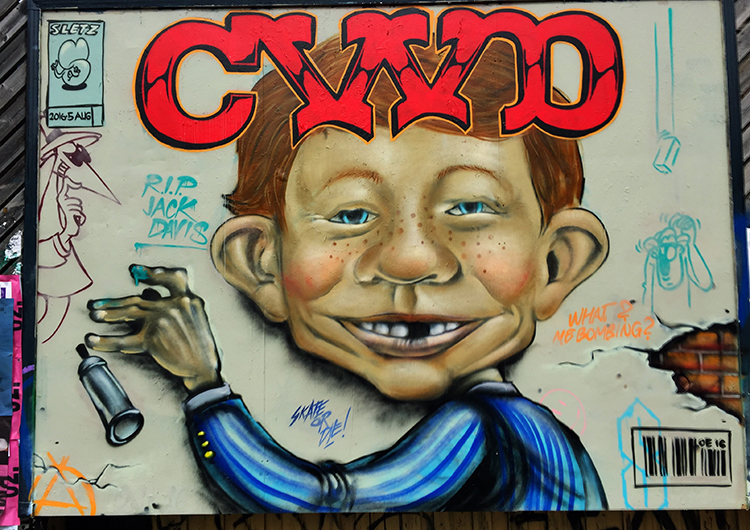
När jag hör det här så väcks många tankar, först och främst vad är vanligt folk?

Kollar med Wikipedia. Det första som dyker upp är ett livealbum med titeln ”Bland skurkar, helgon och vanligt folk”, vilket skulle innebära att vanligt folk inte är skurkar eller helgon.

Det andra som dyker upp är Plebej: Plebejerna var ”vanligt” folk (småbrukare, köpmän, hantverkare). De ägde sällan mycket jord, och för det mesta ingen alls, men de var fria romerska medborgare. Vilket innebär att ”Vanligt folk” är motsatsen till patricierna, som bestod av de gamla, privilegierade rika släkterna, adeln.

Här var Wikipedia inte mycket till hjälp. Men om vi tittar på vanligt folk ur Statistiska centralbyråns perspektiv så skulle det se ut så här: Vanligt folk heter Johansson, i efternamn är väl bäst att tillägga, de är en familj med två vuxna och två barn, pappan heter Lars och mamman heter Anna, barnen heter Johan och Emma. Detta vanliga folk är gifta och Lars är 39 år medan Anna är hela 42, det konstiga är att Lars var 30 när de gifte sig och Anna bara 27. De bor i tätort och kör Volvo. Vanligt folk har tillsammans en lön på ca 640 tusen om året och Lars sparar 2.000 i månaden medan Anna bara sparar 1.500. Men om ”Vanligt folk” bor i Skaraborg så sparar de mindre, kanske de spenderar mer hos Bert Karlsson? Vanligt folk röker inte och Lars är överviktig, de dricker en vinare i veckan tillsammans och var sin sexa starksprit, men hela familjen trycker i sig 1,2 kg godis och 1 kg kaffebröd per vecka, måste nog mest vara Lars? 

Det börjar utkristallisera sig en bild av ”Vanligt folk” men jag måste få mer kött på benen. Jag ger mig ut och frågar kollegor, elever och lärare på IHM, vad är er definition av ”Vanligt folk”, samtidigt ställer jag frågan till mina vänner på Facebook. Blev jag klokare?

Vanligt folk är: (Du behöver inte läsa alla om du inte orkar, jag sammanfattar längre ner)
• Är de som stretar och gnor på fabrik och kontor.
• De som går upp, går till jobbet, försörjer sin familj. Självuppoffrande och inte egoister.
• De som inte sticker ut, är stabila, äter klassiskt och tar sig ett glas rött på fredag och lördag. De har fortfarande morgontidning men sneglar på en digital lösning, far och flänger till innebandyn med ungarna.
• De flesta inkluderar sig i den gruppen. Har det hyggligt och stretar på. Kämpar och strävar uppåt, hoppas att göra skillnad för världen men är ganska nöjda om de nåt målen för dagen. Fast i Facebook-träsket och går på gym.
• Gammaldags uttryck. Som folk é mest, enkla och jordnära. Alla är ju vanliga.
• Kreti och pleti. Genomsnittet, men vanligt folk finns egentligen inte.
• Man sticker inte ut, är en i mängden, medelklass. Verklighetens folk, politiskt korrekta.
• Ingen aning. Du och jag, kan va vem som helst. Som folk é mest.
• Folk som mig.
• Folk som gör exakt vad staten vill.
• Majoriteten.
• Alla är olika, det finns inget vanligt folk.
• De som jobbar åtta till fem.
• Folk som följer normen.
• Vanligt folk jobbar på Volvo, äter köttfärslimpa med brunsås, handlar möbler på IKEA och dricker snaps på midsommar. 
• Inte ovanliga.
• Alla är unika.
• Dom är någonstans på skalan mellan Ingemar Mundebo och Idi Amin.
• Du kan va vanlig.
• Personer som klagar på allt men inte är särskilt kreativa själva, köper sina kläder på Dressmann eller H&M, hänger på låset när senaste Iphone släpps och tittar på datorporr i smyg ( Män ) och tycker att Jimmie Åkesson är en reko kille.
• Mer Mundebo tycker jag.
• Finns det? Är inte alla unika?
• Jag säger som Per Rådström: "Vanliga, hyggliga människor är det jag är räddaste för.”
• Såna som du !?
• Ställde den frågan på SD:s fb sida, eftersom de alltid hänvisar till vanligt folk som deras medlemmar, men fick inget svar. För mig finns det ingenting som kan stå bakom begreppet vanligt folk, finns inte helt enkelt!
• Vanligt folk finns väl inte..? Unika individer är det dock vanligt med.
• Det är ni som e dom konstiga det är jag som e normal.
• Någonstans i mitten mellan Adolf Hitler och Moder Theresa.
• Alla är vanligt folk men självklart med massor av unika egenskaper och uttryck! Det som dock binder ihop allt som gör att man kan kallas vanligt folk är att man är snäll och vänlig och har ett juste förhållningssätt mot sin omgivning! Den du…
• Oftast används ju begreppet vanligt folk närmast lite floskelaktigt, men vad någon menar med det är det nog enklast att förstå genom att peka på vad denne någon ser som motsatsen. När politiker som SD och Trump pekar på vanligt folk som deras väljare är det väl i de flesta fall i motsats till en så kallad politisk elit de menar.
• Dom andra.
• arbetande människor av olika sort, som känner, bekymrar sig, tar en öl eller två, reagerar på orättvisor, stressar, slappar, känner 'borde engagera mig mer men hur’,....
• Som folk i allmänhet.
• Hade du frågat mig för sisådär en tjugofem år sedan hade jag nog haft ett ganska klart svar på din fråga men i den tid vi nu lever i verkar strävan för människor vara att vara så unika och ovanliga som möjligt. En "vanlig" människa kanske inte riktigt duger idag eller hör det samman med att epitetet "vanlig människa"har missbrukats så mycket att man inte vill tillhöra den människomassan längre. Det är faktiskt en intressant fråga du ställer Håkan, jag utgår ifrån att den var seriöst menad? (det var den, mitt svar)
• Jag.
• 21.5% av svenska väljare skulle väl andra säga.
• Ca 2/3 av befolkningen.
• Det är ganska vanligt att försöka vara unik.
• Vanligt folk är lagom.
• Tråkiga.
• Vi.
• Prestigelösa. Jordnära. Okonstlade.
• Folk som äter Capricciosa.

Här utkristalliserar sig några olika sätt att definiera ”Vanligt folk”, om vi börjar med gruppen som jag har valt att kalla den stora massan så skulle den enligt de tillfrågade se ut så här:


Vanligt folk jobbar 8-5 och kämpar på med det dagliga värvet i hopp om att klättra ett pinnhål. De sticker inte ut men vill ändå vara lite unika medan de kör sina barn fram och tillbaka till innebandyn. Vanligt folk dricker ett glas vin på fredag och lördag, eller ett par öl. De är självuppoffrande och absolut inte egoister. De är politiskt korrekta, håller sig till normen och äter köttfärslimpa med brunsås och Capricciosa. Vanligt folk är i majoritet, hela två tredjedelar av vår befolkning är vanligt folk som gör exakt det som staten vill. Vanligt folk köper sina kläder på Dressmann (måste vara Lars och Johan?) och är åsiktsmässigt någonstans mellan Adolf Hitler och Moder Theresa, eller mellan Idi Amin och Ingmar Mundebo som någon valt att uttrycka det, ja kanske lite närmare Mundebo tycker en annan. Vanligt folk är snälla, vänliga, okonstlade, jordnära och har ett juste förhållningssätt till sin omgivning, i verkligheten och på Facebook, de är lite stressade och reagerar på orättvisor. De vill gärna engagera sig lite mer men fastnar ofta i ”Hur”.

En annan grupp av ”Vanligt folk” skulle var de okreativa, de lite tråkiga och även här den stora massan.

Den tredje gruppen av ”Vanligt folk” finns inte, vi är alla unika, så unika att det har blivit vanligt?

Den fjärde gruppen av ”Vanligt folk”, enligt min högst ovetenskapliga undersökning är en floskel, en floskel som både Bert Karlsson och Trump använder sig av när de menar att politiker inte lyssnar på ”Vanligt folk” längre. Denna definition av ”Vanligt folk” skulle innebära att alla utom politikerna är, just det, ”Vanligt folk”. Så…

…som ni ser är det inte lätt at definiera ”Vanligt folk”. Och ändå har jag vid ett flertal tillfällen läst eller hört, som jag sa i början av den här ovanligt långa utläggningen, att våra politiker måste lyssna mer på vanligt folk. Jag skulle vilja vända och vrida på det resonemanget ett slag, häng med.

Om våra politiker uppmanas att lyssna på den stora massan, alltså ”Vanligt folk” kategori 1 och 2 här ovan så har jag svårt att se behovet av mer än ett politiskt parti. Dessutom så tycker jag att det känns bakvänt, eller snarare populistiskt, att lyssna på ”Vanligt folk” och forma sin politik utifrån det. Jag tycker hellre att våra politiker, från vänster till höger, ska utforma sin politik utifrån egna tankar och ideologi. Sedan måste de bli DUKTIGA PÅ ATT FÖRKLARA vad de menar och vad det innebär för oss i Sverige och omvärlden. Fokusera på sin egna tanke istället för att sabla ner på de andras, det skulle i mina ögon vara en riktig, och ovanlig, politiker, och jag skulle högakta denna person oavsett politiskt läger, även om jag inte alltid skulle lägga min röst på vederbörande.

Om definitionen av ”Vanligt folk” nr 3 är den riktiga så ser jag oerhört stora svårigheter i att lyssna in vad den grupp vill och enligt mitt resonemang ovan så handlar det egentligen om att bli duktig på att få ut sin egna idé.

Definition 4, floskeln, att alla är ”Vanligt folk” utom politiker gör det också svårt att samla in någon som helst vettig information, allra helst om vi nu är så unika som vissa gör gällande. Så…

…sluta lyssna på ”Vanligt folk”, däremot tror jag att det finns många människor där ute som är värda att lyssna på, med både vanliga och ovanliga tankar.


Med vanliga hälsningar

Aludd

PS Om definitionen av ”Vanligt folk” skulle vara den stora massan så skulle konsekvensen av att lyssna på ”Vanligt folk” inneburit att vi idag inte haft tåg, flyg och bil då den stora massan ansåg att det var skadligt för själen att färdas i hastigheter över 18 km per timma. Vi skulle förmodligen inte ha byggt några storstäder och ingen skulle uppfunnit Spotify som ”Vanligt folk” lyssnar på idag. Att Trump eller Bert Karlsson skulle ha ett särskilt gott öra för vad ”Vanligt folk” vill ha tror jag inte ett dugg på, för mig veterligen så har aldrig den stora massan valt just dessa två stora herrar, inte i Sverige, och inte i USA.   


24 november 2016